A transformative moment
brainstrust welcomes today’s announcement that the National Institute for Health and Care Research (NIHR) has awarded funding to establish a landmark National Brain Tumour Consortium, marking a transformative moment for the brain tumour community and representing a significant step towards improving outcomes for people living with this devastating disease.
The Consortium, which will receive funding from the £40 million originally committed by the UK Government to brain tumour research in 2018, aims to make the UK a testbed for oncology innovation by accelerating the development of treatments for patients with brain tumours. It is expected that £20-£25 million will be allocated to drive this step-change in brain cancer research. The NIHR has allocated £13.7 million to establish the Consortium infrastructure, with further funding for trials to follow in early 2026.
A coordinated national response
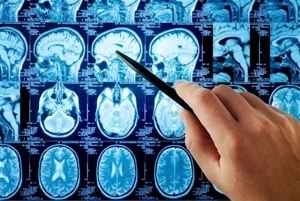 The NIHR Brain Tumour Consortium will bring together 48 hospitals, universities, cancer centres, along with charities and people living with a brain tumour, researchers from diverse disciplines and institutions across the UK to evaluate potential treatments through a network of clinical trials. With its broad scope encompassing all types of brain tumours – including adult and paediatric brain cancers, metastatic and recurrent disease, and both low-grade and high-grade tumours. The Consortium represents an unprecedented, coordinated approach to tackling brain cancer.
Led by Dr Juanita Lopez, Consultant Medical Oncologist from the Royal Marsden NHS Foundation Trust and the Institute of Cancer Research, alongside Professor Darren Hargrave of the UCL from Great Ormond Street Institute of Child Health Hospital and Mr Richard Mair from the Cancer Research UK Cambridge Institute at the University of Cambridge. The Consortium will establish shared infrastructure and systems to accelerate the evaluation of novel therapies and optimise existing treatments. The Consortium will also develop and enhance innovative clinical trials focusing on precision medicine – therapies tailored to individual patients’ specific tumour characteristics. Future plans include expanding into advanced radiotherapy techniques, gene therapies and immunotherapies that modify a person’s DNA and immune system to treat cancer. This will create stronger evidence to support future NHS access to effective treatments.

Patient voice at the heart of research.
brainstrust is proud (via its PRIME programme) to play a leading role in delivering the Patient and Public Involvement and Engagement (PPIE) workstream of the Consortium, overseen by Professor Kathreena Kurian, Professor of Neuropathology at the University of Bristol and a leading brain tumour researcher. This crucial workstream ensures that the voices, experiences, and needs of people affected by brain tumours remain at the centre of all research activities.
The Consortium’s embedded PPIE approach will address disparities in research participation, build research capacity and capability, and ensure that the most promising treatment opportunities are made available to people living with a brain tumour as widely as possible.
Will Jones CEO of brainstrust says, “For the brain tumour community, today’s announcement is more than an investment in research it is an investment in the long-held hope of a forgotten community. People living with a brain tumour, and those who love them, have waited far too long for this level of ambition and commitment. The NIHR National Brain Tumour Consortium represents a turning point: a coordinated national effort that finally matches the scale and urgency of the challenge we face. As we lead the Patient and Public Involvement and Engagement workstream, brainstrust will ensure that the voices and priorities of patients are not just heard but embedded in every decision. Because real progress happens when lived experience guides the science. Together, we can build a future where people with a brain tumour have access to the treatments, care and outcomes they truly deserve.”
Why this matters
Brain tumours remain one of the hardest cancers to treat, with five-year survival rates under 13%, making them the eight most common cancer in the UK and accounting for 3% of all new cancer cases. Each year, approximately 12,700 people in the UK are diagnosed with a primary brain tumour, and around 5,500 people die from the disease. Progress has been frustratingly slow, with little improvement in survival rates over the past three decades.
The Consortium’s adaptive approach means it can evolve over time to enable the timely evaluation of new technologies and research questions as they arise. By capitalising on recent developments in precision medicine and bringing new researchers into the field, the Consortium will build investigator capacity and further develop the network for delivering brain tumour trials.
What the Consortium will deliver
The Consortium will address key barriers that have limited progress in brain tumour research and treatments and deliver concrete activities to transform patient outcomes. It will address five key challenges:
The large variation among over 140 brain tumour types, where even patients with the same diagnosis can be affected differently.
- Limited new drugs available for trials.
- Insufficient research facilities, research leaders and specialist staff.
- Shortcomings in the planning and delivery of research studies.
- Lack of consistent, dedicated support for brain tumour research.
It will also deliver new approaches for patients by:
- Enrolling patients to a real world study tracking their progress in everyday medical settings, before matching them to new clinical trials based on their specific cancer subtype.
- Developing pioneering platform trials to test multiple interventions including targeted precision medicines, advanced radiotherapy technologies, immunotherapies, and novel gene therapies.
- Creating new training programmes to build capacity and increase skills among the next generation of brain tumour researchers.
- Embedding patient and public involvement at every level, ensuring lived experience guides research priorities and that treatment opportunities reach patients as widely as possible.
A Community Effort
This achievement is the result of years of tireless campaigning by brain tumour charities, patients, families, and the wider research community. Following a planning workshop in December 2024, where clinicians, researchers, and charity representatives gathered to shape the vision, the Consortium application was developed through extensive community consultation. Dr Lopez commented on the Consortium; “having worked in this space for many years, this is a landmark development and is the result of all of the campaigning for change that the UK brain tumour community has been making”.
Today’s announcement aligns with the Government’s 10 Year Health Plan and the shift from sickness to prevention, aiming to reduce lives lost to the biggest killers. It comes ahead of the forthcoming National Cancer Plan in 2026, positioning brain tumour research as a priority area for UK health innovation.
Looking Ahead
The Consortium is expected to begin operations in early 2026 with initial trials ready to launch immediately following the award. The initiative will work in coordination with other NIHR funding streams, including calls for research into brain tumour care, support, and rehabilitation, as well as the Tessa Jowell Allied Health Professional research fellowships. For patients and families, this means access to cutting-edge clinical trials closer to home,
with coordination across the UK ensuring that promising treatments are available to those who could benefit, regardless of location. Professor Kathreena Kurian (Community Engagement Academic Lead on the NIHR
consortium bid) said, “this is a pivotal moment. The brain tumour research community has embedded the needs of patients, carers, researchers, and clinicians at every stage. Working together we can and we will transform lives.
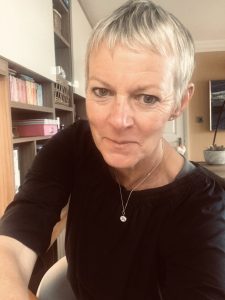
Helen Bulbeck, Director of Services and Policy at brainstrust says, “today’s announcement is profoundly meaningful for everyone living with a brain tumour and their families, who have waited far too long for this level of investment and commitment. This marks the start of a new era for brain tumour research in the UK – one that promises real hope and tangible progress towards better treatments and outcomes. What makes this Consortium truly special is that patient voice has been at its heart from the very beginning. Through our leadership of the Patient and Public Involvement and Engagement workstream, overseen by Professor Kathreena Kurian, we will continue to ensure that the community’s voice is not just heard, but actively shapes every aspect of this transformative research. The people living with brain tumours today, and those who will be diagnosed in the future, deserve nothing less than research that truly reflects their needs and priorities.