Brain Tumour Awareness Month
March is Brain Tumour Awareness Month. It’s when we shine a spotlight on the impact of brain tumours and the urgent need for better research, care, and support. Throughout the month, charities, clinicians, patients, and families come together to raise public understanding of the more than 100 different types of brain and the realities of living with the disease. It’s a time when we share stories, communities mobilise, and the wider public is reminded that brain tumours—despite being relatively rare—carry some of the most severe consequences of any cancer. At brainstrust we know that a brain tumour diagnosis is devastating, lives are turned upside down and we will highlight our unique role in providing the emotional and practical support that is so desperately needed but mainly unfulfilled by clinical pathways.
The purpose of Brain Tumour Awareness Month is to raise awareness and drive for change: to push for earlier diagnosis, fairer access to treatment and rehabilitation, stronger mental‑health support, and increased investment in research that reflects real patient need.
Donate This Brain Tumour Awareness Month
On average 79 people in the UK hear the words ‘you have a brain tumour’ every day. This is made up of 44 metastatic, and 35 primary diagnoses.
For them and their loved ones, the road ahead looks scary and uncertain. Our list of where your donation goes shows how your generosity will support the brain tumour community, ensuring brainstrust can be here to help everyone access the tools they need for a brighter tomorrow.
Together, we can make a life-changing difference.
Where Your Donation Goes
£20 could pay for someone to attend one of our tailored online workshops delivered by the brainstrust team and expert speakers from across the UK. Our bespoke webinars cover a wide range of essential topics to help our community thrive.
£50 could provide someone with a brain box, our must-have support toolkit for people newly diagnosed with a brain tumour. Customised for each individual every brain box includes a selection of brainstrust-accredited resources to help them feel informed and prepared to face the road ahead, as well as small gifts to help them practise some self-care.
£100 could keep our support line connected for a whole day. It covers the essential phone system costs that allow calls to come through reliably and securely, so anyone affected by a brain tumour can reach us when they need to. Your fundraising ensures the line is open, accessible and ready, providing the vital lifeline for those seeking support.
£300 could fund the cost of six coaching sessions for a patient or their loved ones. Coaching helps people living with a brain tumour to take control and focus on the things that matter the most to them. Patients and caregivers will come away from their coaching sessions with strategies and tools that help them achieve clarity, and improve their quality of life.
£500 will enable brainstrust to ensure that people with a brain tumour are directly involved in research proposals, so that research meets their needs. This vital work ensures that clinical research is helping people to live better with a brain tumour – today.
Help us double the number of people we support
Last year we supported 4577 brain tumour patients and carers. This is the highest figure in our 20 year history. However, with around 79 people a day receiving a brain tumour diagnosis, this means there are many more people that desperately need our support.
By 2030 we are aiming to double the number of people we support living with a brain tumour, and with an average cost per person supported being £146, we will need your help to do it.
Fewer than 30% of brain tumour patients receive any psychological or psychosocial support, and that’s why it is vital that we support more people along their brain tumour journeys.
Patient Stories
Read below how a brain tumour has impacted our patients lives, beyond the hospital, treatment and scans. The day to day challenges make life with a brain tumour confusing, lonely and fearful. And that’s where we come in. We hope that these stories serve as testament to the difference that we can make for people living with a brain tumour, and that with your help we can enable them to live their best possible day.
You can read more Patient Stories here.
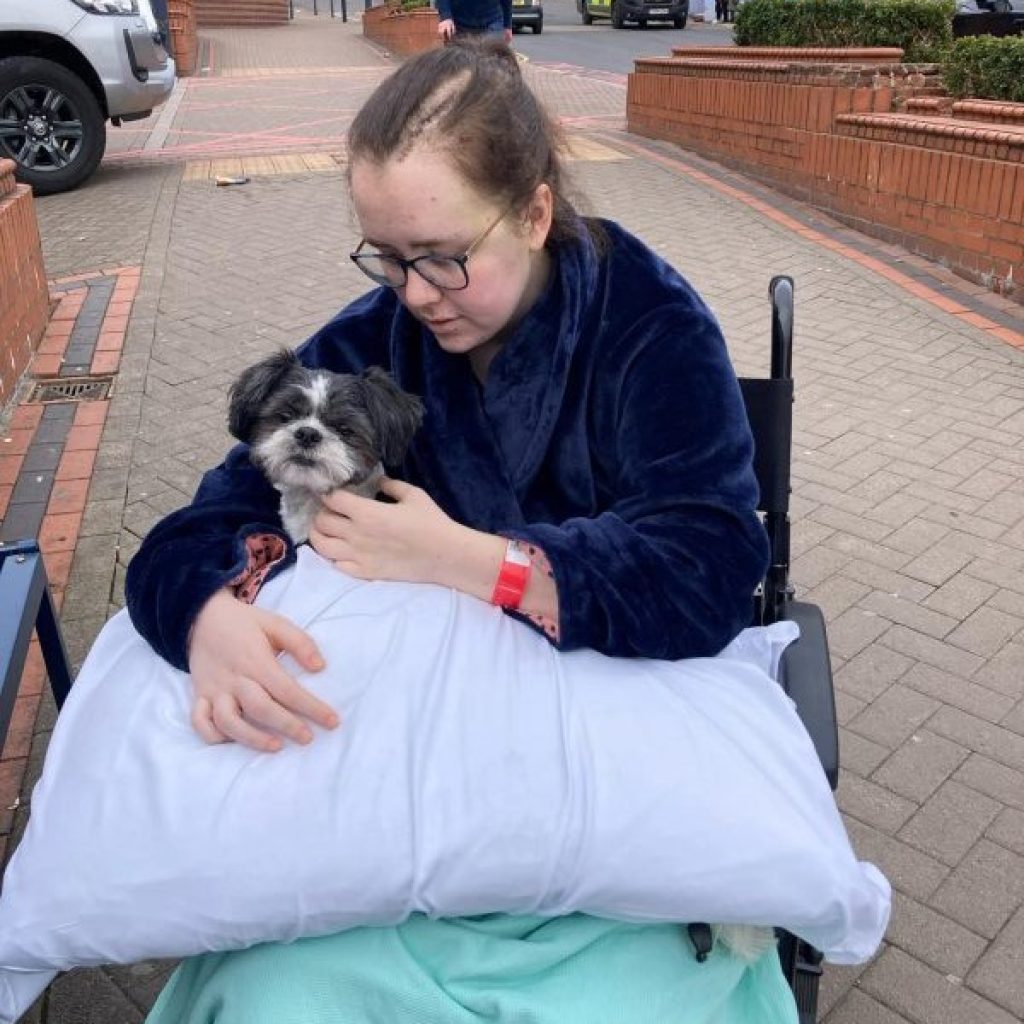
Katie’s Story
“Three days later, I had an aneurysm. Everything spiralled. What should have been a short recovery turned into a nightmare. I underwent three more brain surgeries, was placed in a medically induced coma, and spent a week in intensive care. I don’t remember those days — but my family does. My short hospital stay became five long weeks.”
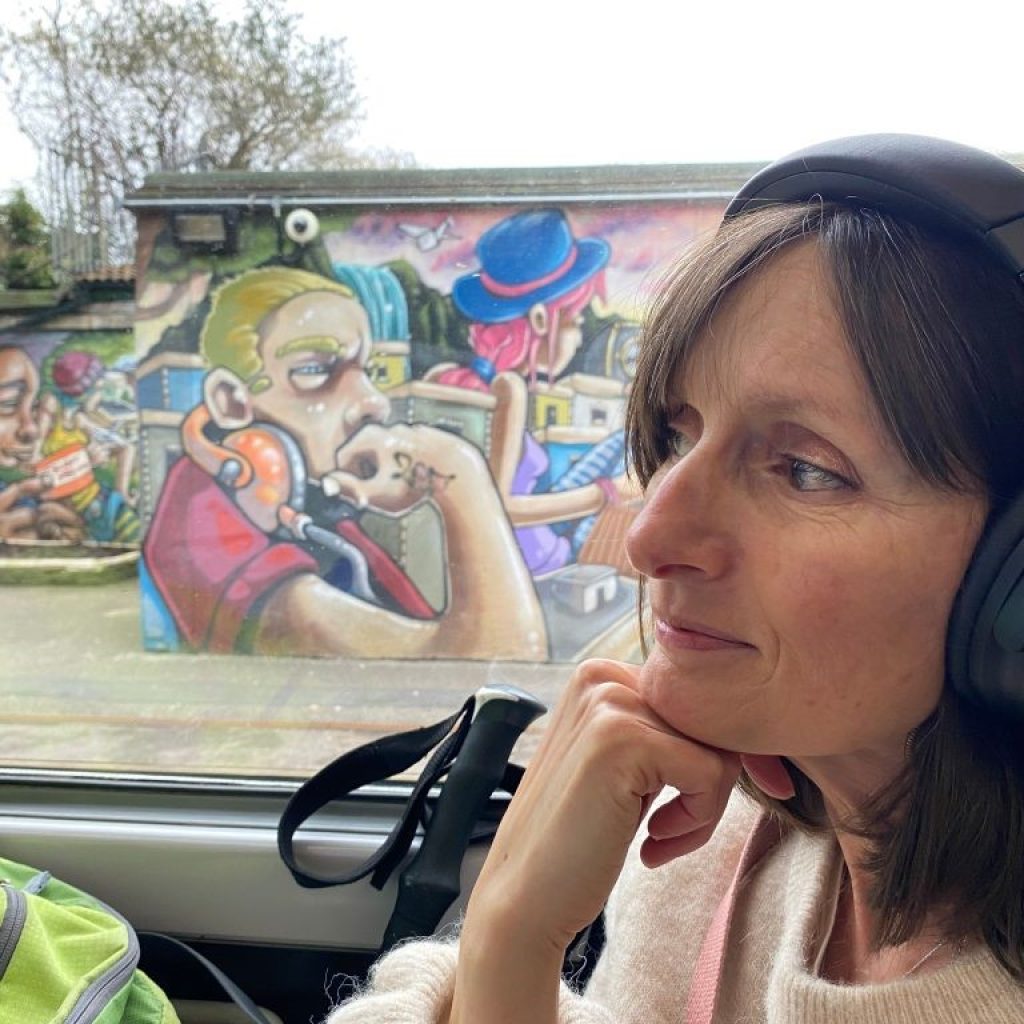
Rachel’s Story
“in the summer I started becoming clumsy and a bit dizzy, tripping over every now and then. In September I had terrible eye pain but my optometrist couldn’t see anything wrong. Then in October I collapsed and fell in the street. It felt like someone had hit me really hard in the back. Passers-by came to my rescue and I sat for a while with my legs shaking uncontrollably.”
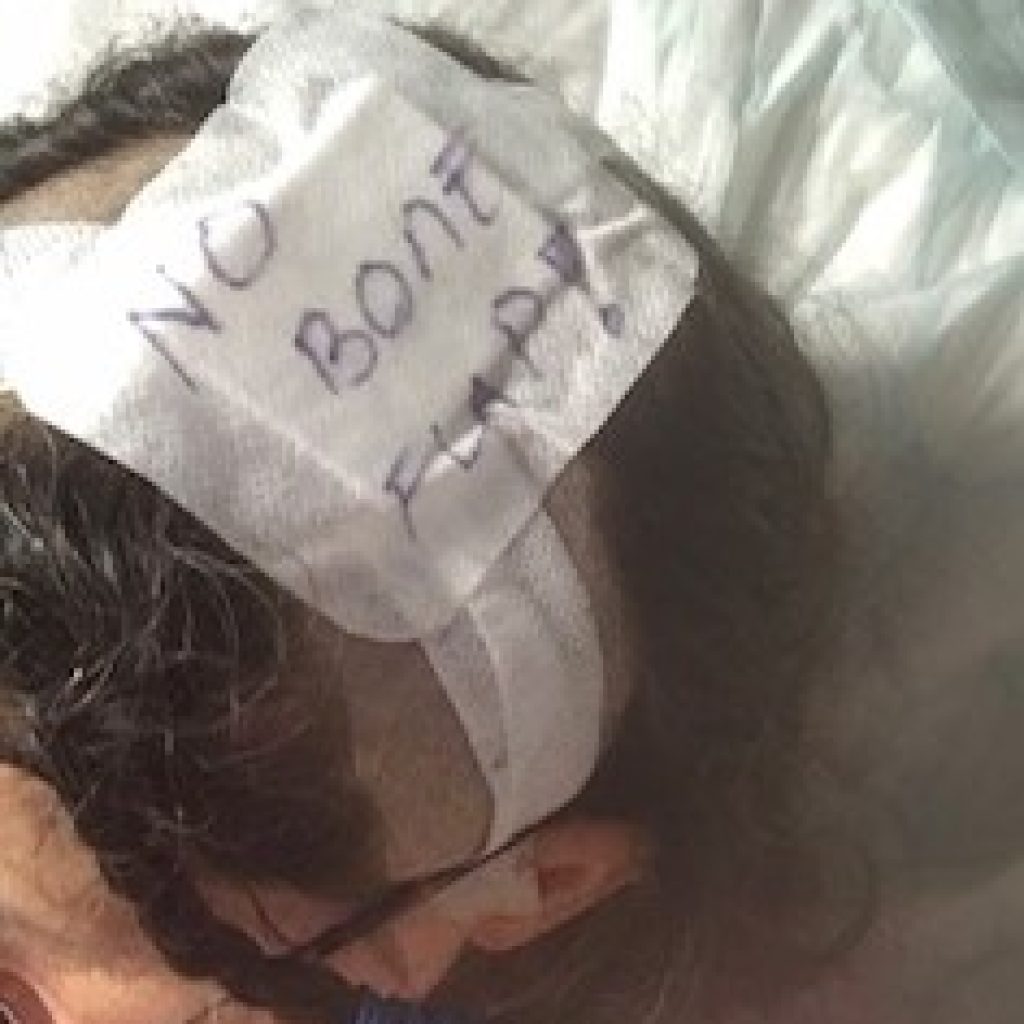
Nikki’s Story
“I remember the scan, the claustrophobia and the noise of it. I remember the tiny battered mobile unit in the hospital car park where it took place. I remember the radiographer telling me afterwards that I should not go home. I remember sitting on an uncomfortable trolley behind a blue curtain in A&E for hours. I remember a senior nurse, sitting on the end of the bed and holding my gaze as she told me there was a lesion on my brain. What I don’t remember is feeling anything at all.”