brainstrust patient and carer events
Our Thrive with brainstrust events will help you live better with a brain tumour. Below you can find information about upcoming webinars and meetups, both online and face-to-face. Filter by Patient and Carer events to see what’s happening this month. If you have any questions about our supportive events or would like to book a coaching session, please email hello@brainstrust.org.uk

April Art time – Connect and Express, Weds 1st April 10.30am
Come and join us for Art Time – whether you’re a seasoned artist or a complete novice, this is a gentle two-hour session to explore how painting can become a mindful, soothing activity. As you focus on the creative process, you may find stresses and worries begin to fade into the background.

Living with a low grade Glioma – Weds 1st April 16.00
Join us for an honest and supportive session where we’ll talk about what it’s really like to live with a LGG diagnosis. Living with a low grade glioma isn’t straightforward. Join us to hear how we all manage the uncertainty of living with a LGG diagnosis.

High Grade Brain Tumour Community – Thurs 2nd April 13.00
Living with a high grade (grade 3 or 4) brain tumour can feel isolating. This online group offers a supportive space to those who understand This informal online group is for people living with a high grade (grade 3 or 4) brain tumour diagnosis – and their supporters. There’s no set agenda and no pressure […]

Managing Scanxiety with Neuroscience Informed Hypnotherapy – Weds 8th April 14.00
Explore the neuroscience behind feelings of anticipation and uncertainty and find practical techniques that can help interrupt the cycle. For many people living with a brain tumour, the period before scans or results can be one of the most emotionally demanding parts of the journey. This experience is often referred to as ‘scanxiety’. ‘Scanxiety’ reflects […]

Meninigioma Matters – Weds 8th April 16.00
Living with a meningioma can feel isolating. This is a relaxed, open space to talk, listen, and connect with others who get it. We know how hard it can be to live with a meningioma – whether you’re a patient or a caregiver. This space is for you. Join us for a gentle, open conversation […]

Acoustic Neuroma (Vestibular Schwannoma) Group – April Online Meetup, Fri 10th April 13.00
A welcoming monthly online space for anyone affected by an acoustic neuroma. Living with an acoustic neuroma can feel overwhelming at times, and it helps to talk to others who truly understand. This is a friendly, informal online space where you can connect, share experiences, or simply listen in. Whether you’re newly diagnosed or further […]

Getting Started With The Advoca app – Mon 13th April 10.00am
Join our live Zoom session to learn how to use the Advoca app and feel more confident managing your medical appointments and care. Advoca is a free mobile app, built by NHS doctors, that records your medical appointments and turns them into a clear, easy-to-read summary. It also points you towards trusted information from brainstrust, the […]
Understanding When Legal Claims Are Appropriate – Mon April 13th 2.00pm
If you or someone you love has been affected by a brain tumour, you may question whether care could, or should, have been different. In this warm, practical and informative webinar, led by Bolt Burdon Kemp, we’ll gently unpack what it really means to bring a legal claim for compensation following medical treatment. It’s designed for […]

Come Along for Tea & a Wee Blether – April Online Meetup, Tues 14th April 12.00
Join our monthly online cuppa and chat. A safe, welcoming space for anyone affected by a brain tumour.

Are you living with a meningioma? Tues 14th April 13.00
Whether you are a patient or caregiver we need your help to shape a new clinical trial for meningioma Researchers at the University of Plymouth are developing a clinical trial to test a promising new drug treatment for meningioma and they want to hear from people who are living with a meningioma before the trial […]
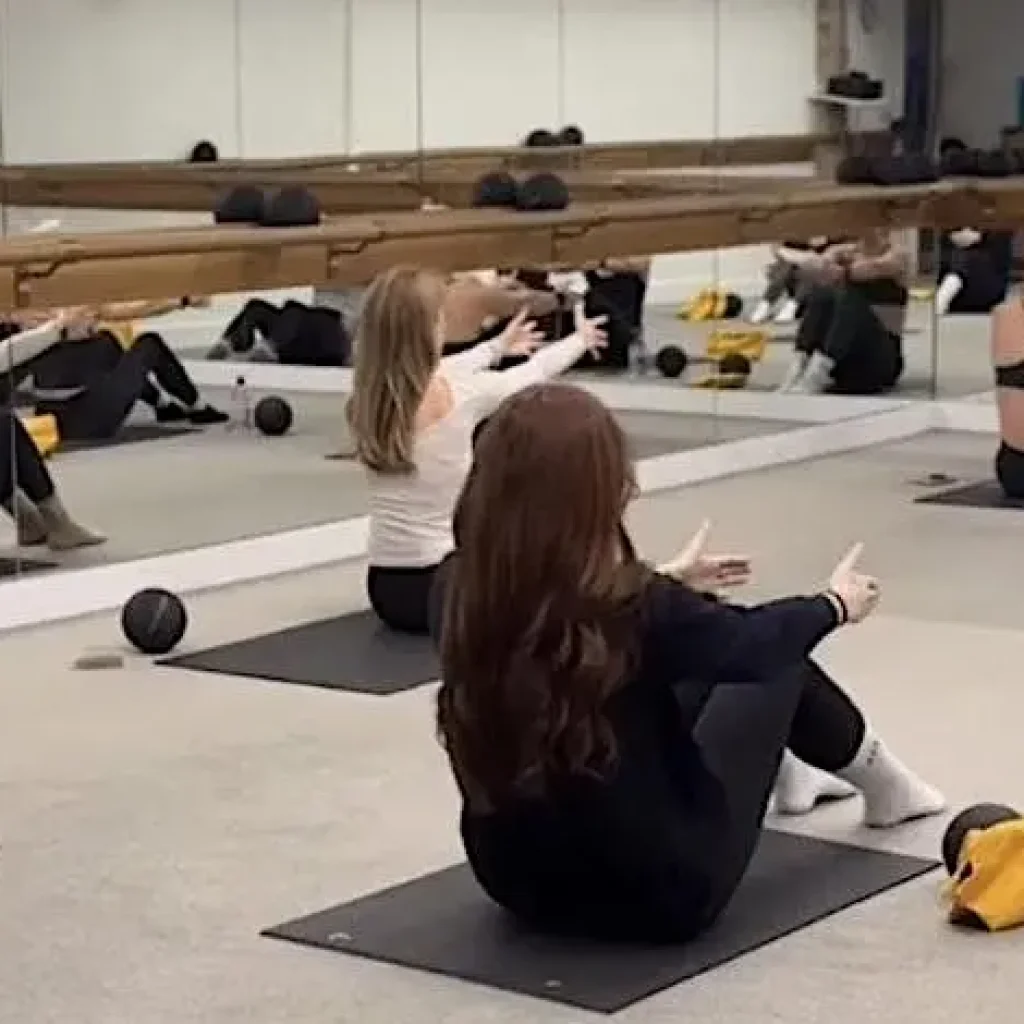
Neuro Pilates for the brainstrust community (Online Session with Sammy) – Weds 15th April 10.00am
A gentle, inclusive Neuro Pilates class designed to support movement, balance, and wellbeing for those living with a brain tumour. Join us for a calm, welcoming online Neuro Pilates session (mat-based) designed especially for the brainstrust community. This gentle class focuses on supporting movement, posture, and balance through a specialist Pilates approach tailored to individuals living with […]

Brainstrust Bereavement Community – Weds April 15th 19.00
The grieving process begins at the time of diagnosis. We know that a death caused by a brain tumour is different. Come and be less alone.
Getting Started With The Advoca app (Session 2) – Thurs 16th April 14.00
Join our live Zoom session to learn how to use the Advoca app and feel more confident managing your medical appointments and care. Advoca is a free mobile app, built by NHS doctors, that records your medical appointments and turns them into a clear, easy-to-read summary. It also points you towards trusted information from brainstrust, the […]

Trying Out Poetry’ for brain tumour patients & caregivers – Thurs 16th April 14.00
Try out a bit of poetry, either writing a poem of our own, or reading a poem for comfort or inspiration. In this workshop, there are no rules: just opportunities to write the way you feel works best for you.

Colloid Cyst Community – April Online Meetup – Fri 17th April 13.00
A relaxed virtual cuppa and chat for anyone affected by a colloid cyst – patients, carers, and families.

Living with metastatic brain cancer? – Mon 20th April 17.00
Join us for a virtual event where we share stories, support, and resources for those of you who are living with metastatic brain cancer. For this session we are delighted to have Matt WIlliams, neuro-oncologist, talk about the role of SRS for treating brain mets. Living with metastatic brain cancer? Welcome to our online event […]

Dose of Neuroscience – Hypnotherapy Session – Weds 29th April 14.00
How your brain manages stress. This session offers an accessible introduction to the neuroscience of stress, emotions and learning. Participants explore how the brain processes experience and how everyday actions influence brain chemistry and behaviour.
Hypnotherapy for Calmness and Confidence for Procedures – Hypnotherapy Session – Weds 29th April 19.00
Face scans and procedures with calmness and confidence. Medical procedures such as scans, treatments and hospital visits can trigger strong anticipatory responses in the brain. Even when we understand the purpose of a procedure, the brain may still respond with fear, muscle tension and heightened alertness. This session focuses on preparing both mind and body […]