What happened?
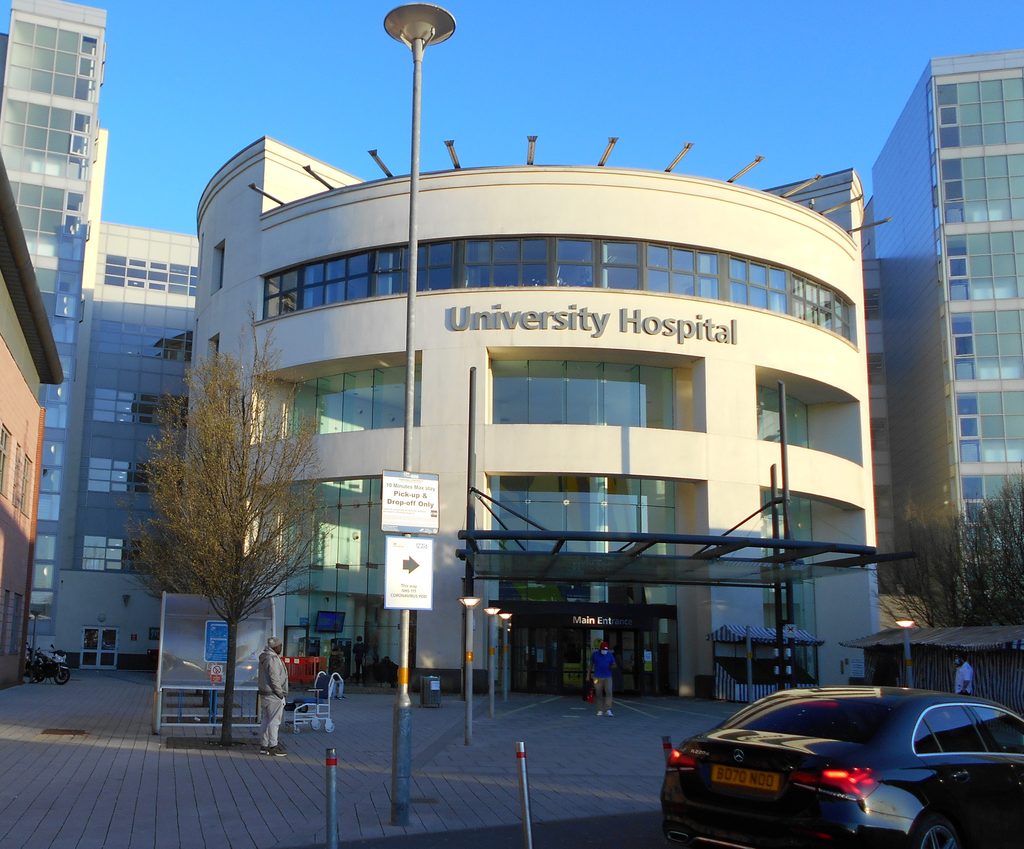
On Wednesday morning, BBC News published the findings of a Royal College of Physicians (RCP) review into how chemotherapy was prescribed to brain cancer patients at University Hospitals Coventry and Warwickshire (UHCW) NHS Trust. The review looked at 20 cases in detail; 15 were judged “unsatisfactory overall” and none were rated as good practice. The RCP’s preliminary findings describe what happened as a “betrayal of patient trust”.
At the centre of the story is a drug called temozolomide (TMZ), a chemotherapy tablet many people affected by a brain tumour will recognise, as one of the most commonly used treatments for high-grade gliomas. Guidelines say it should typically be taken for six cycles over about six months, following radiotherapy. But patients at UHCW, some of whom have spoken to the BBC, say they were kept on it for years: in one case 16 years; in another, more than 100 cycles. One patient was later found to have a different, less aggressive tumour than originally diagnosed, and went on to develop a secondary blood cancer.
Our first thoughts are with everyone affected by this and with their families. Being told your treatment may have caused you harm, on top of everything else a brain tumour diagnosis already asks of you, is an enormous thing to carry.
You can read the BBC’s full story here.
Weighing benefit against harm
We also want to use this moment to talk about something we think about constantly at brainstrust: the balance between evidence of harm and evidence of benefit.
Chemotherapy is a significant treatment. Temozolomide carries real, cumulative side effects, and, rarely, more serious harms. None of that makes it a bad drug. Used for a defined course, with good evidence that it is extending or improving someone’s life, the benefits can outweigh the harms, which is why it is a standard part of care for many people.
But that calculation isn’t a one-off. It has to be revisited. Is this treatment still working? Is the benefit still greater than the cost? And it has to be revisited with the patient in the room, properly informed, and free to ask hard questions or say no.
What the RCP’s preliminary findings describe is that calculation breaking down: treatment continuing without clear evidence it was still helping, “scant” documentation of the risks discussed with patients, and, as the review puts it, “multiple opportunities for scrutiny and challenge” that were missed.
Why effective MDTs matter
One of the safeguards in brain tumour care is the multidisciplinary team (MDT), bringing together different clinical perspectives to consider a person’s diagnosis and treatment.
NHS England guidance on streamlining MDT meetings recognises that not every case needs the same level of discussion. The aim is to make sure there is enough time for the cases that do need full multidisciplinary input, particularly where there is clinical complexity or other factors that require careful consideration.
Effective MDT meetings create an opportunity for treatment plans to be reviewed, questioned and reconsidered as circumstances change. The findings reported today are a reminder of why that scrutiny matters, and why any changes to the way MDTs work must preserve meaningful multidisciplinary review for the patients who need it most.
So what should this mean for you?
If you or someone you love is on a chemotherapy course right now, this story should not mean losing trust in temozolomide, or in chemotherapy generally. Used according to the evidence and kept under proper review, it remains an important and well-evidenced treatment, and for many people the benefits are real and significant.
It should mean feeling entitled to ask your clinical team, at any point: what is the evidence that this is still helping me, and what is it costing me? You are allowed to ask that more than once. You are allowed to ask for a second opinion. You are allowed to say a course of treatment doesn’t feel right to you, and to be heard when you do.
We’re here to help
That’s a large part of what we’re here for. Our Thrive coaching and support team exist to help you prepare for those conversations, understand what your medical team is telling you, and feel confident enough to ask the questions that matter to you, including the uncomfortable ones.
If this story has raised questions or concerns for you, please get in touch. You don’t have to work through those questions on your own.
Continuing to push for better care
We’ll also keep using our policy and campaigning work, including PRIME, our patient research involvement programme, to push for national standards that build this kind of ongoing, evidence-based review into brain tumour care as a matter of course, not as an exception that depends on someone being brave enough to challenge it.
We must make sure that people in the brain tumour community are not abandoned, or exposed to greater harm as a result of MDT reforms, which you can read more about here.
If you’d like to talk to someone, our support team is here to listen and help. You can get in touch via email at hello@brainstrust.org.uk or give our 24/7 helpline a call on 01983 292 405.